
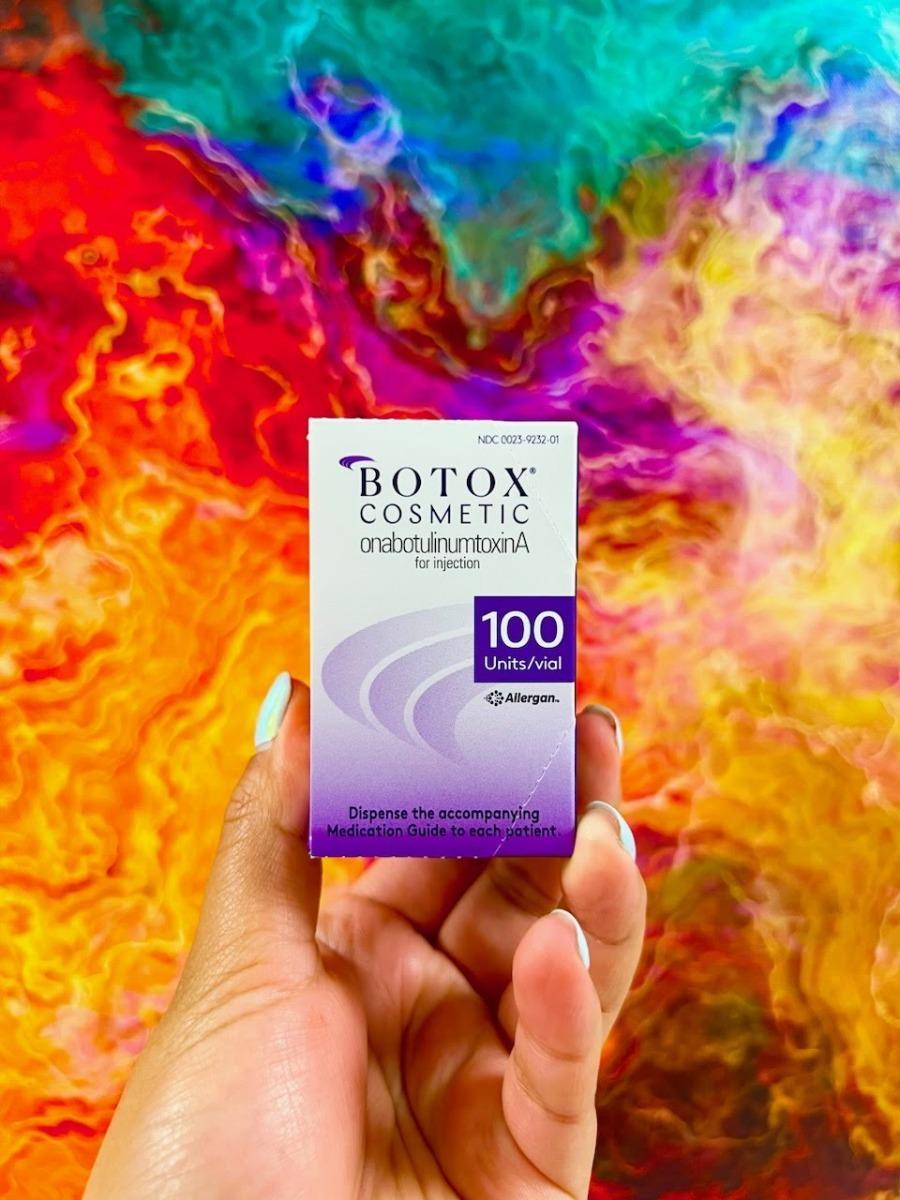
One of the most common questions patients ask before their first Botox treatment is:
“How many units will I need?”
The answer depends on several factors including muscle strength, facial anatomy, treatment goals, and which areas are being treated.
This guide explains Botox units in simple terms so you know what to expect before your consultation.
What Is a Botox Unit?
Botox is measured in units, not syringes.
A Botox unit is a standardized measurement of the medication’s strength and effect on muscle activity. The number of units needed varies from person to person.
Think of units like dosage — similar to how medications are prescribed in milligrams.
Average Botox Units by Treatment Area
Below are the most common treatment areas and typical dosage ranges.
Forehead Lines (Horizontal Lines)
Typical range: 10–20 units
These lines form from raising the eyebrows. Stronger forehead muscles require more units.
Many first-time patients fall in the 15–20 unit range.
Frown Lines (Glabellar Lines / “11s”)
Typical range: 20-30 units
This is one of the most popular Botox areas. The muscles here are strong and often need a moderate dose.
Most patients need 20 units for optimal smoothing.
Crow’s Feet (Around the Eyes)
Typical range: 24 units total
Usually treated on both sides of the eyes.
Patients with strong squinting muscles may need closer to the higher end of the range.
Brow Lift
Typical range: 4–10 units
A subtle brow lift can open the eyes and create a more refreshed look.
This is often combined with forehead or frown line treatment.
Lip Flip
Typical range: 4–6 units
A lip flip relaxes the upper lip so it gently rolls outward, creating the appearance of more lip without filler.
Chin Dimpling
Typical range: 4-8 units
Botox smooths the “orange peel” texture caused by chin muscle activity.
Neck Bands (Platysmal Bands)
Typical range: 20-60 units
This area requires more units due to the size and strength of the neck muscles.
Typical Total Units for Most Patients
Many patients treat multiple areas during one visit.
Typical total ranges:
Light treatment: 20–30 units
Moderate treatment: 30–50 units
Full upper face: 50–70 units
Every treatment plan is customized.
Why Botox Units Vary Between People
Two patients may need completely different doses.
Factors that influence dosage include:
Muscle Strength
Stronger facial muscles require more units.
Athletes and expressive individuals often need higher doses.
Facial Anatomy
Everyone’s muscle size and movement patterns are unique.
Desired Results
Some patients want very subtle softening, while others prefer stronger smoothing.
Gender Differences
Men typically need more units due to stronger facial muscles.
Will I Need Fewer Units Over Time?
Yes — often.
With regular Botox treatments:
Muscles become trained to relax
Lines form more slowly
Maintenance doses may decrease
Many long-term patients need slightly fewer units than when they started.
Can Too Few Units Be a Problem?
Yes. Under-dosing is a common issue.
Too few units may result in:
Shorter duration
Incomplete smoothing
Uneven results
Proper dosing helps results last longer and look balanced.
Can You Look Natural With Botox?
Absolutely.
When Botox is properly dosed and placed:
Facial expressions remain natural
Wrinkles appear softer
You look refreshed, not frozen
The goal is subtle, natural results.
How Long Do Botox Results Last?
Typical timeline:
First effects: 3–5 days
Full results: 10–14 days
Duration: 3–4 months
Regular treatments can help maintain smoother skin year-round.
How Often Should You Get Botox?
Most patients schedule treatments every 3–4 months.
Consistent treatments help:
Maintain results
Prevent deeper wrinkles
Keep dosage stable
FAQ Section
Does Botox hurt?
Most patients describe the treatment as a quick pinch lasting only seconds.
What age should you start Botox?
Many patients begin in their late 20s or early 30s for prevention.
Can Botox prevent wrinkles?
Yes. Botox slows the formation of deeper expression lines.
What happens if I stop Botox?
Muscle movement gradually returns and wrinkles reappear naturally.
Do men need more Botox units?
Yes. Men typically require more units due to stronger muscles.
The best way to determine the right number of units for you is through a personalized consultation.
Every treatment at A E Skin is performed by Dr. Alex Eshaghian, ensuring customized dosing and natural results.